

Cloudways and SiteGround serve different types of users — one prioritizes flexibility and developer freedom, while the other leans into user-friendliness and top-tier support.
Cloudways stands out for its pay-as-you-go pricing, multiple cloud infrastructure choices (like DigitalOcean, AWS, Vultr, and GCP), and powerful server-level performance tools. It’s a favorite among developers, agencies, and growing businesses that need to scale on demand. Their new Cloudways Autonomous plan takes managed WordPress hosting to the next level with real-time auto-scaling and resource-based billing — a major leap in efficiency and cost control.
SiteGround , meanwhile, delivers a smoother onboarding experience for beginners. It offers integrated email hosting, daily backups, and a reliable Google Cloud–based backend — but it struggles to compete on value and flexibility, especially after its steep renewal price hikes.
Cloudways

Our Take
Cloudways delivers managed hosting built on top of major cloud platforms, including DigitalOcean, AWS, Vultr, and Google Cloud. It gives site owners access to cloud-level performance and scaling, but without the burden of handling server administration themselves. The service is geared toward agencies, developers, and fast-growing businesses that need flexibility. That said, Cloudways is not aimed at first-time site owners. Its pricing structure can be harder to follow than traditional shared hosting, and there are no low-cost entry plans. Still, for users who want managed cloud power with advanced features, Cloudways is a strong choice.
SiteGround

Our Take
SiteGround offers strong uptime, fast support, and a refined experience tailored to WordPress users. Its platform is easy to use and packed with performance-enhancing features. Although its pricing has gone up a lot over time, SiteGround continues to deliver on reliability and user experience — making it a reasonable pick for small business sites that need dependable performance and hands-on support.
Service Offerings & Overall Performance
On paper, Cloudways and SiteGround appear similar in terms of performance, both leveraging cloud-based infrastructure and offering tools to optimize speed and reliability. However, their approaches to delivering these services differ significantly.
What’s Cloudways Offering?

Cloudways stands out by allowing users to choose their own infrastructure from five leading providers: AWS, Google Cloud, Vultr, DigitalOcean, and Linode. This means performance and cost are directly tied to the provider and specifications chosen.
For example, Vultr High Frequency offers NVMe SSDs and higher CPU clock speeds, often delivering faster time-to-first-byte (TTFB) compared to SiteGround. Additionally, Cloudways includes its Breeze plugin for WordPress, enabling caching and optimization tailored to its cloud hosting environment.
Scalability
Cloudways allows users to vertical scale server resources, such as CPU and RAM, instantly. This flexibility is critical for websites experiencing fluctuating traffic or needing more power during peak periods.
For those who opt for Cloudways Autonomous, scalability is further enhanced through auto-scaling, where server resources are automatically adjusted to handle traffic surges and scaled down during low periods to save costs.
Customer Supports
In term of customer support, Cloudways has steadily improved over time. The company offers 24/7 live chat and a comprehensive knowledge base. Based on our personal experience (this site you are reading is hosted on Cloudways), the company resolves most issues efficiently via live chat, and users report fewer overall complaints compared to SiteGround.
Click here to visit Cloudways online
What’s SiteGround Offering?

SiteGround packages Google Cloud infrastructure into various hosting plans, including shared, cloud, reseller, and managed WordPress hosting, charging a fixed annual rate for each tier. It also provides an in-house WordPress Speed Optimizer plugin, designed to improve caching and page load times.
While SiteGround performs well for smaller websites or users seeking simplicity, its reliance on a single provider and rigid plans may limit flexibility as your websites grow.
Scalability
SiteGround’s scalability options are tied to fixed plans. Users must upgrade to a new plan if they exceed their current resource limits. This approach can be costly and less adaptable for growing websites.
Customer Supports
Once known for stellar support, SiteGround’s service quality has declined. Based on our market study, users frequently cite delays and a tendency for support teams to push plan upgrades instead of solving underlying issues.
Click here to visit Siteground online
Hosting Performance
Performance is a key factor when choosing a hosting provider, as it directly impacts page load times and user experience.
Cloudways
Cloudways uses top-tier cloud providers like Vultr, AWS, and Google Cloud. The Vultr High-Frequency plan, in particular, stands out with NVMe SSD storage and high clock-speed CPUs, significantly reducing server response times. Cloudways also integrates Cloudflare Enterprise CDN, offering features like Argo Smart Routing and prioritized routing across 270+ data centers, which improve global performance.

SiteGround
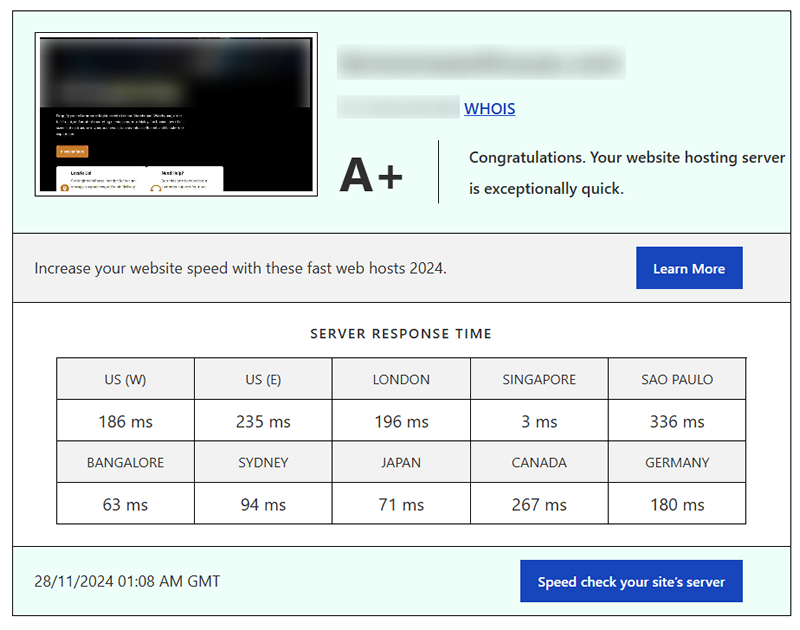
SiteGround primarily uses SATA SSD storage and its own CDN, which includes 14 points of presence (PoPs). However, its slower time-to-first-byte (TTFB) and limited CDN features make it less competitive. A significant drawback occurred in 2020 when Google blocked SiteGround’s DNS for four days, leading to major downtime and losses for users.
Plans & Pricing
| Hosting Type | Cloudways | SiteGround |
|---|---|---|
| Shared Hosting | $ - /mo | $3.99 - 10.69/mo |
| VPS Hosting | $ - /mo | $ - /mo |
| Dedicated Hosting | $ - /mo | $ - /mo |
| Cloud Hosting | $11.00 - 1056.00/mo | $100.00 - 400.00/mo |
| Managed WP Hosting | $35.00 - 1640.00/mo | $3.99 - 10.69/mo |
| Windows Hosting | $ - /mo | $ - /mo |
| Coupon | HOSTSCORE | - |
| Coupon Details | 30% Discount for 3 Months | - |
Pricing models and hidden costs often become deciding factors between Cloudways and SiteGround.
SiteGround Pricing
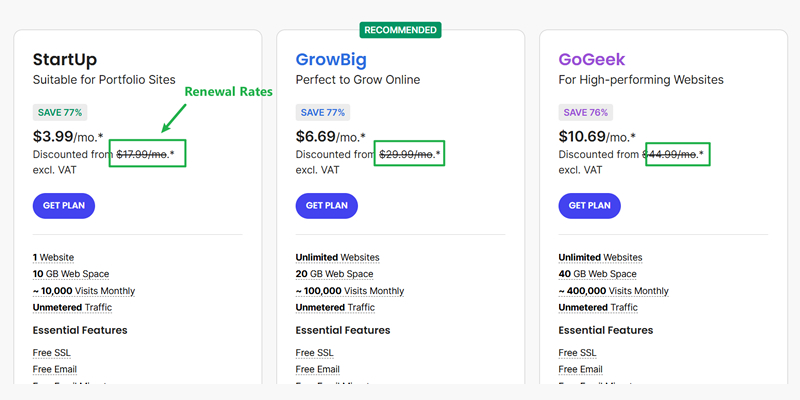
SiteGround’s introductory prices are competitive, but renewal rates increase by up to three times*. For example, mid-level shared plan (named GrowBig) starts at $6.99/month renews at $29.99/month. This steep price hike is a common frustration among SiteGround users, particularly for those on tight budgets.
* Note: Renewal price hikes are common in the budget hosting market, as providers often offer discounted introductory rates to attract new customers. However, SiteGround’s renewal prices are significantly higher than industry norms, making it one of the steepest hikes in the market.
Cloudways Pricing
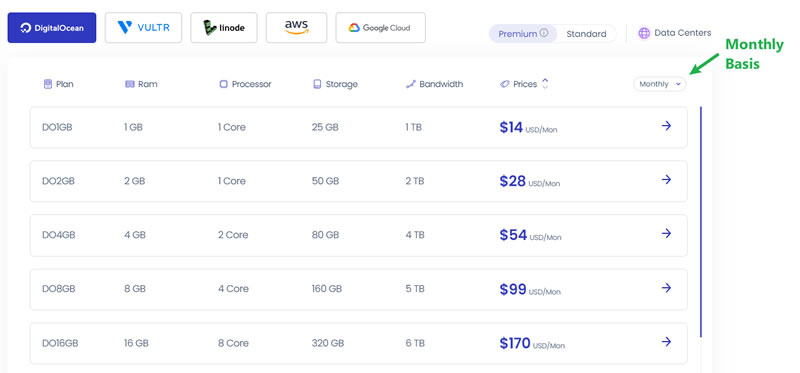
Cloudways adopts a pay-as-you-go model with no long-term contracts. Their standard plans with Digital Ocean start at $11.00 and go all the way up to $1,056.00 per month, catering to a broad spectrum of needs from basic to highly scalable requirements.
The company offers only 14 days risk-free trial, but take note that the company does not require you to signup for long term. You subscribe to them on monthly basis and there’s no upfront payment needed.
The biggest drawback in Cloudways in term of cost is it doesn’t include built-in email hosting. Instead, users can integrate Rackspace at $1 per email account per month directly through the Cloudways dashboard, which is convenient but adds to overall costs.
Exclusive Cloudways Deal for HostScore Readers
You can now use promo code ‘HOSTSCORE’ to enjoy additional 25% discount on your first Cloudways bill.
Click Here to Order
Cloudways or SiteGround: Which is Right for You?
For Beginners Looking for Affordable Hosting
For absolute beginners, SiteGround offers a more familiar setup. Its shared plans come with bundled email hosting, a user-friendly dashboard (Site Tools), and excellent customer support that can walk non-tech-savvy users through issues.
Cloudways, while powerful, isn’t made for beginners. There’s no built-in email hosting, and the infrastructure layer (choosing cloud providers, managing server settings) can feel overwhelming if you’re new to hosting.
However, SiteGround’s affordability drops sharply after the first term, with renewal prices jumping significantly — making long-term cost a real concern. Cloudways, with its hourly billing and no surprise renewals, might actually become the better deal for tech-savvy beginners willing to climb the learning curve.
For Advanced Users Looking for VPS / Cloud Hosting
When it comes to cloud flexibility, performance tuning, and control — Cloudways is in a different league.
Users can choose from five cloud providers and spin up instances with just a few clicks. Features like integrated server-level caching (Varnish, Redis, Memcached), advanced staging environments, and SSH access make it ideal for developers and power users. The new Autonomous plan adds automatic vertical scaling, making it even more hands-off while retaining flexibility.
SiteGround’s cloud plans are fast and stable but much more expensive. They lack the same level of customization and scalability. And unlike Cloudways, SiteGround doesn’t let users pick their infrastructure provider or pay based on actual usage.
For WordPress Users
SiteGround is a strong contender for small business owners, freelancers, and resellers who want managed WordPress hosting that just works. Their WordPress support staff, daily backups, staging tools (on higher-tier plans), and automatic updates create a great out-of-the-box experience.
Cloudways, however, is the better choice for WordPress professionals and agencies managing multiple high-traffic sites. With access to server-level caching, WP-CLI, advanced staging options, and performance monitoring, Cloudways provides more depth. The Cloudways Autonomous plan also means WordPress users don’t have to guess their ideal plan — they just pay for what they use.
In short:
- SiteGround is easier for casual WordPress users.
- Cloudways offers greater control and performance for advanced WordPress professionals.
The Final Verdict: Cloudways is the Better Choice
Cloudways is the stronger choice for users who want flexibility, scalability, and cost control — especially developers, agencies, or site owners who need high performance without traditional shared hosting limits. SiteGround is easier to start with and offers excellent support, but its high renewal costs and rigid pricing make it a tougher long-term sell.
Quick Recap: SiteGround vs Cloudways
| Feature | Cloudways | SiteGround |
|---|---|---|
| Hosting Type | Managed Cloud Hosting (5 providers: AWS, Vultr, Google Cloud, etc.) | Shared Hosting on Google Cloud Infrastructure |
| Pricing Model | Pay-as-you-go, no contracts | Low intro rates, 3x higher renewal rates |
| Email Hosting | Not included; Rackspace available at $1/email/month | Included in all plans |
| Performance | Faster, NVMe SSDs, Redis Object Cache Pro, Cloudflare Enterprise CDN | Slower, SATA SSDs, SiteGround CDN |
| Scalability | Dynamic resource scaling; supports Autonomous auto-scaling | Fixed plans; upgrading requires higher-tier plan |
| Security Features | Dedicated firewalls, free SSL, DDoS protection, staging tools | AI-driven anti-bot system, free SSL, daily backups |
| Caching Tools | Breeze plugin, Varnish, Redis Object Cache Pro | SiteGround Optimizer; compatibility issues |
| CDN | Cloudflare Enterprise CDN (270+ PoPs) | SiteGround CDN (14 PoPs) |
| Control Panel | Custom dashboard with advanced tools | User-friendly Site Tools |
| Support | Reliable, improving 24/7 support | Declined in quality, upgrade-focused |
| Flexibility | Choice of 5 cloud providers, multiple PHP versions | Limited to Google Cloud, less customizable |
| Best For | Developers, agencies, and growing businesses | Small businesses |
| Order | Order Cloudways | Order Siteground |
More About the Companies
Cloudways

Established in 2011 by co-founders Aaqib Gadit, Pere Hospital, and Uzair Gadit, Cloudways is a managed hosting platform that initially focused on leveraging partnerships with AWS, Google Cloud Platform, and Digital Ocean to serve its customers better. The acquisition by DigitalOcean in August 2022 further solidified this partnership, enhancing Cloudways’ ability to provide superior managed hosting solutions.
Cloudways Pros
- Reliable server uptime and speed performance
- Good abstration over complex cloud server setups with integrated dashboard
- High scalability; Autonomous plan supports auto-scaling
- Easy server cloning, site staging, and website transfer
- Host unlimited websites and applications in one account
- 30% discount for first two months with coupon “HOSTSCORE”
Cloudways Cons
- Getting expensive – Prices increased steadily for the past few years
- Limited trial period
- Excellent technical support, but poor billing practices and support
SiteGround
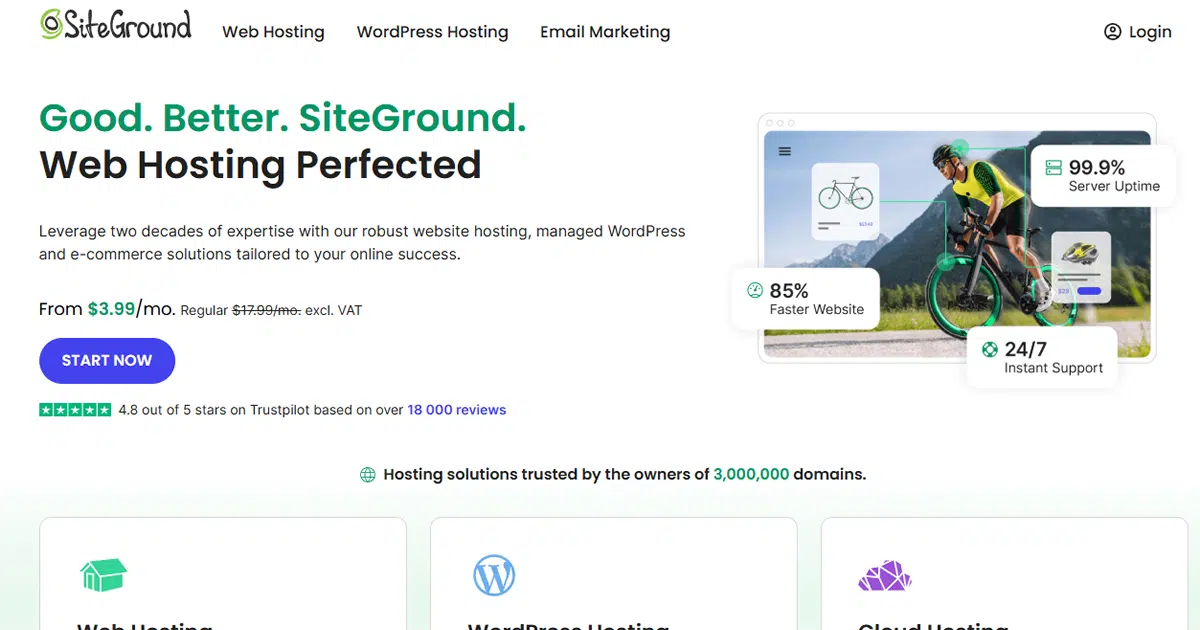
Established in 2004 by a group of university friends led by Ivo Tzenov, SiteGround has flourished into a prominent web hosting entity based in Sofia, Bulgaria. Boasting a workforce exceeding 600 employees, SiteGround proudly hosts almost three millions domains worldwide. With a powerful infrastructure spanning 11 data centers across 8 countries, the company offers an array of hosting solutions including shared, cloud, and enterprise hosting, alongside domain registration services.
SiteGround Pros
- Outstanding hosting uptime and speed performance
- Excellent customer support
- Powered by Google Cloud Platform
- 1-click CDN included in all shared plans
- Specialized WordPress support staff
- Automatic geo-distributed daily backups
- White-label user dashboard and private DNS in GoGeek plans
SiteGround Cons
- Expensive renewal pricing
- Limited storage in shared hosting plans
- Still using traditional SSD instead of NVMe storage
- Staging tool not included in entry-level shared plan
- No Windows Server hosting option

