

The main differences between SiteGround and Namecheap lie in pricing transparency, support quality, and target use cases — especially when it comes to domain management and reseller hosting.
SiteGround offers premium hosting built on Google Cloud with solid performance, strong customer support, and a user-friendly Site Tools dashboard. It’s ideal for WordPress users and small businesses who want peace of mind and are willing to pay for it. However, its steep renewal pricing and storage limitations make it less appealing for budget-sensitive users.
Namecheap, in contrast, is a value-focused provider best known for its affordable domains and beginner-friendly hosting services. It bundles domain services with low-cost shared hosting and offers an attractive entry point — especially for personal sites, individual bloggers, new resellers, and users looking for affordable hosting solutions. While performance is decent, server resources and support aren’t as robust as SiteGround’s.
Key Features and Service Offerings
SiteGround

Our Take
SiteGround offers strong uptime, fast support, and a refined experience tailored to WordPress users. Its platform is easy to use and packed with performance-enhancing features. Although its pricing has gone up a lot over time, SiteGround continues to deliver on reliability and user experience — making it a reasonable pick for small business sites that need dependable performance and hands-on support.
NameCheap

Our Take
Namecheap is best known for domains but also offers affordable web hosting services with decent performance. It’s a good fit for basic websites, though limitations in server resources and support responsiveness may impact more demanding users.
For Beginners Looking for Affordable Hosting: Namecheap Wins on Cost
SiteGround vs NameCheap in Pricing
| Hosting Type | NameCheap | SiteGround |
|---|---|---|
| Shared Hosting | $1.48 - 4.98/mo | $3.99 - 10.69/mo |
| VPS Hosting | $6.88 - 24.88/mo | $ - /mo |
| Dedicated Hosting | $40.57 - 150.91/mo | $ - /mo |
| Cloud Hosting | $ - /mo | $100.00 - 400.00/mo |
| Managed WP Hosting | $4.07 - 8.24/mo | $3.99 - 10.69/mo |
| Windows Hosting | $ - /mo | $ - /mo |
| Coupon | - | - |
| Coupon Details | - | - |
Based on our research at HostScore, Namecheap is one of the most affordable hosting options for beginners looking to get a website online without much upfront investment. Their shared plans offer solid value, and the renewal prices remain reasonable — no shocking jumps. Free migration, free lifetime domain privacy, and basic one-click installs make it a low-barrier entry for first-time site owners.
SiteGround, by comparison, offers a first-class user experience and much better server power — something that matters a lot when you’re handling a mission-critical website. But it’s significantly more expensive after the first term, and in our opinion, harder to recommend purely on price.
According to feedback from our visitors, Namecheap performs well for personal blogs, resume sites, or hobby projects. But for commercial sites or anything business-critical, SiteGround’s superior reliability makes it worth the extra spend.
For Advanced Users Looking for VPS / Cloud Hosting: Each Suits a Different User Type
When it comes to VPS or cloud hosting, Namecheap and SiteGround offer very different propositions, and neither is outright “better” — it depends on what kind of user you are.
Namecheap VPS plans are unmanaged by default — meaning you’re responsible for server setup, security, and maintenance. In return, you get incredibly low pricing, which is great if you’re technically capable or just need a sandbox environment to experiment in. According to our tests at HostScore, performance is acceptable for the price, but this is not a product for non-technical users.

SiteGround, by contrast, offers fully managed cloud hosting built on Google Cloud. The plans are expensive, but support is hands-on and beginner-friendly, making it a safer choice for businesses or organizations who want the benefits of cloud infrastructure without managing the backend. Their auto-scaling and daily backups offer peace of mind, but the lack of root access limits flexibility for advanced users.

Our take between the two? Namecheap VPS is best for developers or those who like to tinker. SiteGround Cloud is better suited for users who want “done-for-you” infrastructure with solid support, even if it comes at a premium.
For WordPress Users: SiteGround Offers More Depth and Reliability
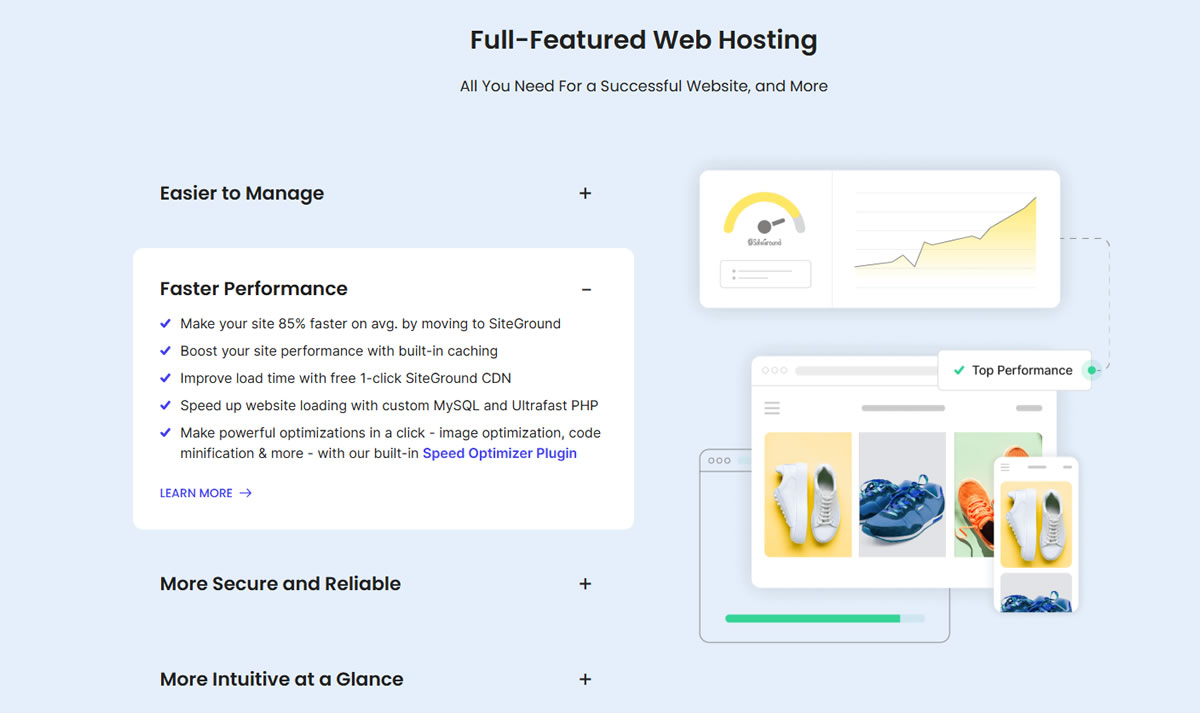
Both providers offer hosting for WordPress, but SiteGround clearly delivers a more professional-grade experience.
With Google Cloud infrastructure, daily backups, a custom-built WP optimization plugin (SG Optimizer), and expert support staff, SiteGround is well-equipped to handle demanding WordPress setups like WooCommerce or LMS sites.
Namecheap is fine for a small personal blog or portfolio — but you’ll hit limitations fast if your site grows. Performance tuning is minimal, backups and staging options are basic, and support isn’t always fast or helpful.
For Hosting Resellers: Namecheap Is the Better Deal

Namecheap shines when it comes to reseller hosting affordability. Their pricing is consistent — no surprise renewal hikes — and plans are accessible even on a quarterly billing cycle. This makes them a great starting point for aspiring resellers who want to control costs and maintain margin.
SiteGround also offers white-label features and high service reliability in their GoGeek plan, but the price point is much higher and renewals can significantly eat into a reseller’s profit margin.
For Domain Registrations: Namecheap Remains a Market Leader
Domain registration is one area where Namecheap is hard to beat. Their domain prices are among the lowest in the market, and every domain comes with free lifetime WHOIS privacy protection — something SiteGround doesn’t provide.
If your priority is domain management — buying, renewing, or consolidating domains under one dashboard — Namecheap is the obvious choice.
SiteGround, while a strong host, is not known for domain services and offers far fewer features and less competitive pricing in this area.
Verdict
SiteGround is the better host for users who need reliable infrastructure, performance, and support — especially for WordPress and mission-critical sites. But Namecheap holds the edge in pricing transparency, reseller flexibility, and domain management. For budget-conscious users and resellers, Namecheap offers more value with fewer surprises.
More About the Companies
SiteGround
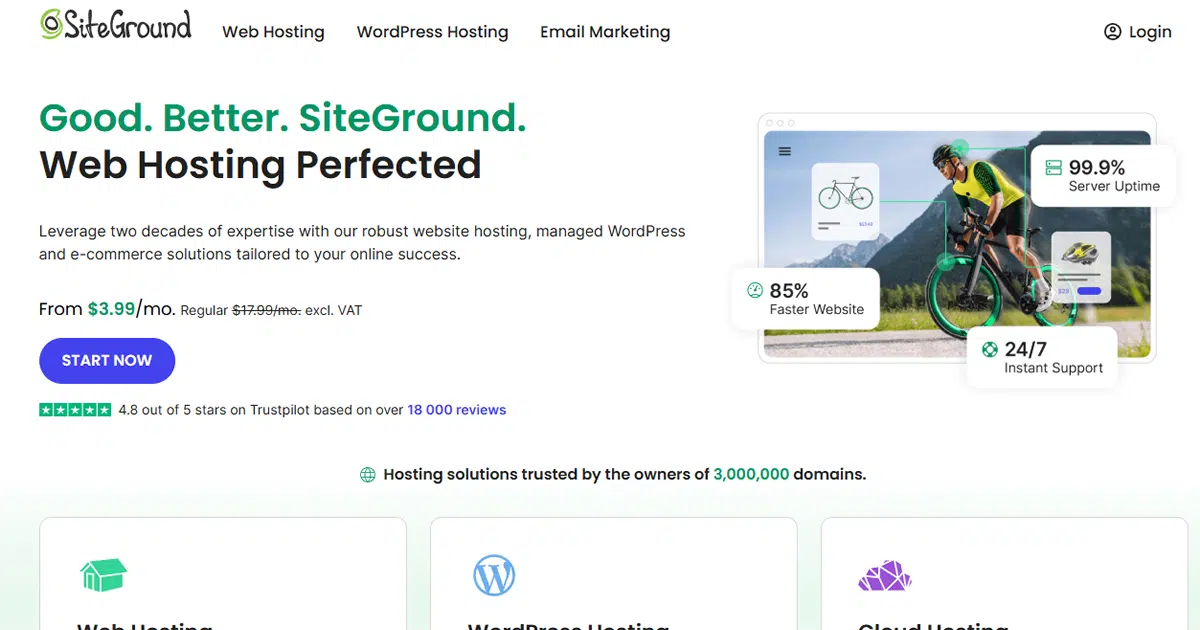
Established in 2004 by a group of university friends led by Ivo Tzenov, SiteGround has flourished into a prominent web hosting entity based in Sofia, Bulgaria. Boasting a workforce exceeding 600 employees, SiteGround proudly hosts almost three millions domains worldwide. With a powerful infrastructure spanning 11 data centers across 8 countries, the company offers an array of hosting solutions including shared, cloud, and enterprise hosting, alongside domain registration services.
SiteGround Pros
- Outstanding hosting uptime and speed performance
- Excellent customer support
- Powered by Google Cloud Platform
- 1-click CDN included in all shared plans
- Specialized WordPress support staff
- Automatic geo-distributed daily backups
- White-label user dashboard and private DNS in GoGeek plans
SiteGround Cons
- Expensive renewal pricing
- Limited storage in shared hosting plans
- Still using traditional SSD instead of NVMe storage
- Staging tool not included in entry-level shared plan
- No Windows Server hosting option
NameCheap
NameCheap is a US-based company founded in 2000. It started as a domain registrar and has grown to become one of the largest in the world, managing millions of domains. Alongside domains, NameCheap also provides shared hosting, VPS, email services, SSL certificates, and managed WordPress hosting. Its focus has remained on affordability and accessibility, especially for individuals and small businesses looking for simple online solutions.
NameCheap Pros
- Budget-friendly shared hosting plans with free domain and SSL
- Competitive domain pricing with free lifetime privacy protection
- Free site migration for new customers
- Developer-friendly environment with Perl, Ruby, and Python support on shared hosting
NameCheap Cons
- Intro prices increase at renewal, sometimes doubling
- VPS plans are raw and unmanaged — control panels and management add significant extra cost
- Extra fee to host in UK instead of default US data center
- Weak security on shared hosting

