
Website builders have made static site creation easy, but getting traffic can be more challenging without a powerful Content Management System (CMS). You need massive, regular-updated content to draw traffic in from search engines like Google these days.
But what exactly is a CMS, how does it work, and which should you use? Fret not – CMS choices abound, from open-source solutions to paid products, and you can easily find one that meets your needs.
What is a Content Management System (CMS)?
As the name implies, A CMS is a software application that helps you create, manage, and modify content on a website without the need for specialized technical knowledge. It can help you add text, images, videos, and other media.
The best part is that a CMS is often easy to use, and you won’t need to know any code to create an entire website. The CMS also provides you with lots of management capabilities. Once you’ve created content, you can edit it at any time. That means your web pages can always stay fresh, with new content to keep things exciting.
The most common types of CMS platforms are open source and proprietary. Open source means you can use the platform for nothing but with limited access to technical support. Proprietary CMS often provides solid support systems, which may come at a price.
How Does a CMS work?
CMS applications often need several components to work correctly.
In most cases, the necessary features include the CMS, script support, a database, and a web server engine. For example, WordPress needs a server that supports PHP, MySQL, and Apache or Nginx as the web server.
Each time you add new content, the CMS stores data in the database. When a visitor tries to access the web page, the CMS extracts the data and serves the page following your template designs.
This methodology is consistent with almost all CMS in existence today. That means you only need to focus on creating content. Everything else is taken care of by the other components. Typically, web hosting companies provide the database and web server engine.
Key Features of a CMS
- User-Friendly Interface: Most CMS platforms offer a graphical user interface that allows you to perform administrative tasks, from adding content to updating the design of your site.
- Template-Based Design: CMSs provide a variety of pre-designed templates that can be customized to suit your preferences, ensuring your website looks professional without the expense of hiring a designer.
- Content Organization and Management: CMSs offer tools to categorize and tag content, making it easier to keep track of your posts and pages, schedule them, and manage drafts and publications.
- Extensibility: With plugins or extensions, you can add specific functionalities to your website. For instance, a plugin to cut video online can be particularly useful for creators managing multimedia content directly on their site, simplifying the video editing process.
Advantages of Using a CMS
CMS is often associated with blogs, but many overlook the versatility and distinct advantages they offer. Using a CMS can bring anything from easier website deployment to lower operations costs for website owners.
Skipping Website Deployment Costs
CMS goes beyond straightforward content; many can help you quickly build entire websites. For example, many offer templates and themes that you can use. Because of this, you should be able to skip hiring a web developer or designer to build your website, saving on cost.
Improved Productivity
Since all changes are via a user interface, there is no need for designers and developers to go back into code every time changes are needed. You can vastly shorten production times and speed up the timeliness of content publishing.
Increased Flexibility
Since your entire website runs on the CMS, you can change the layout, features, or any other part of the website anytime. There’s no need to worry about an early design flow requiring an entire website modification at the code level.
Better Scalability
CMS platforms are highly scalable, meaning they can grow with you as your business grows. Developers constantly update the apps to meet new web requirements. You can say goodbye to legacy code holding you back.
Popular CMS Platforms
There are hundreds of CMS in the market but only a few command the top spots in users’ hearts. WordPress is easily the most popular, but there are solid alternatives for those who may prefer something else.
WordPress
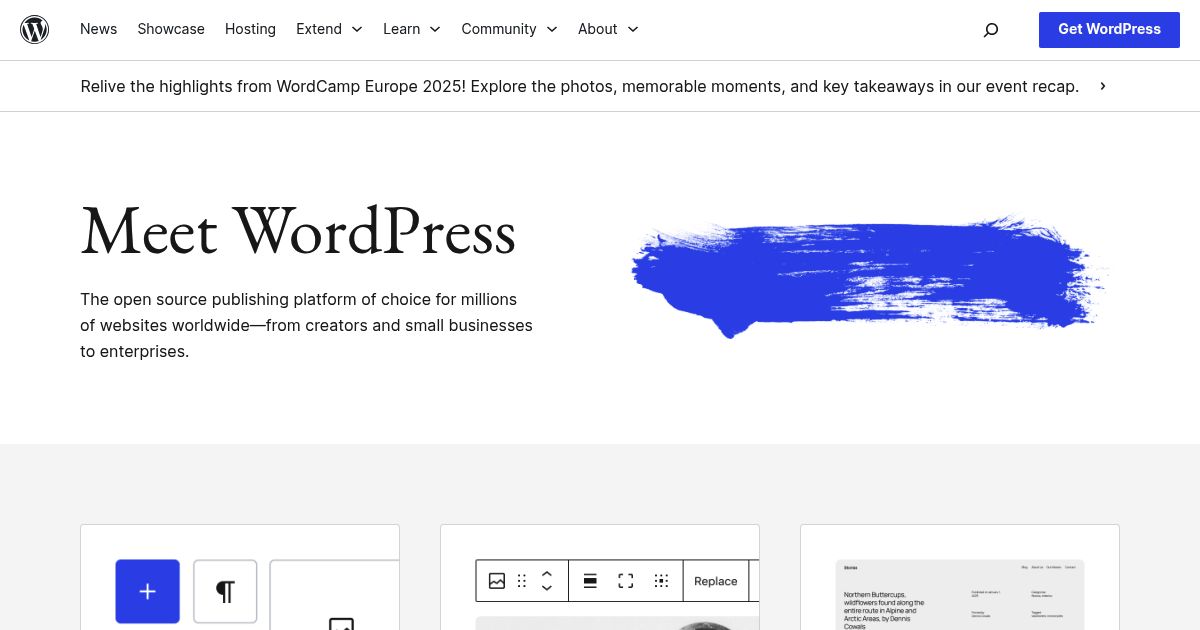
WordPress is the world’s most popular content management system and power over 40% of all websites online today. It’s free and open-sourced, allowing you to use it on any web host. One distinct advantage of WordPress is its Plugin system, allowing you to add new features to your website easily.
Drupal

Drupal is unique in its core philosophy of empowering every website builder to create their own custom experience in a very flexible and powerful way. It uses a MySQL, PostgreSQL, or SQLite database to store content and has a modular design.
Joomla
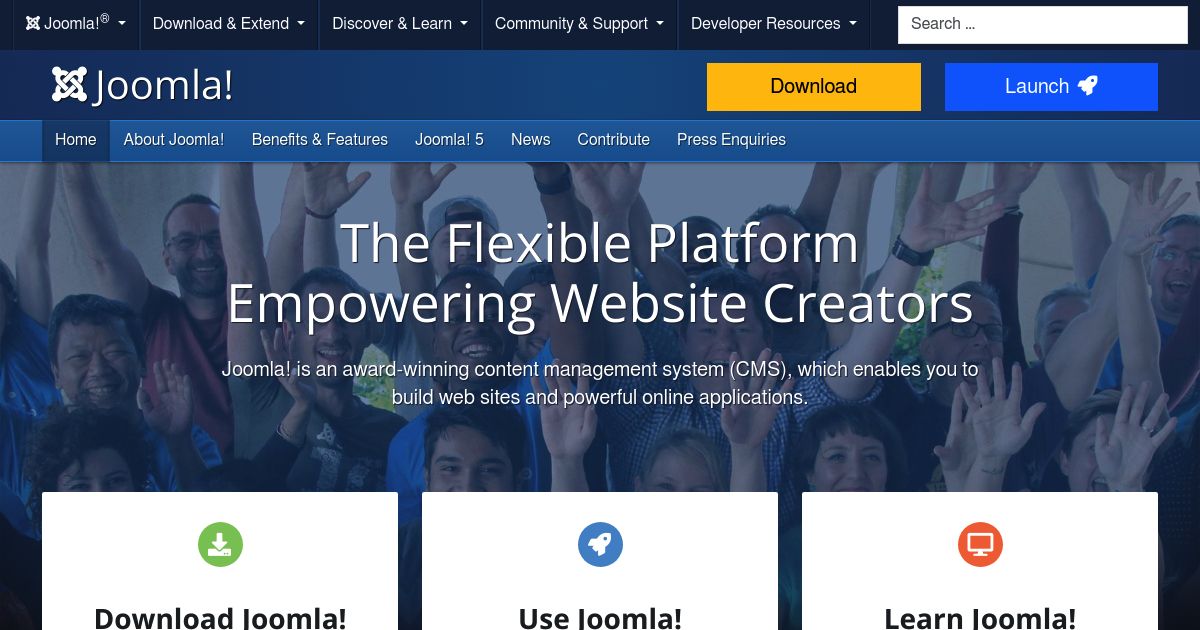
Joomla is an open-source content management system (CMS) and web application framework which enables you to create websites and powerful online applications easily. Developers built Joomla on a model–view–controller web application framework, available in over 60 languages.
Magento

Magento, now known as Adobe Commerce, is a powerful open-source CMS designed for eCommerce websites. It offers extensive customization options and advanced features for managing products, orders, and customer data. Magento’s flexibility makes it ideal for building large-scale online stores with complex requirements.
Typo3

TYPO3 is a free and open-source CMS popular among enterprise users, especially in Europe. It offers advanced multilingual support and scalability for large websites with complex structures. TYPO3’s powerful user permissions system makes it a solid choice for organizations managing multiple editors and content workflows.
Modx

MODX is an open-source CMS and web application framework focused on giving developers maximum creative freedom. Unlike many CMS platforms, MODX doesn’t force you into predefined templates, allowing you to build truly unique websites. It’s praised for its flexibility and strong security features.
Umbraco

Umbraco is a flexible open-source CMS built on Microsoft’s .NET framework. It’s known for an intuitive editing interface, making it easy for content teams to manage sites without developer assistance. Umbraco is widely used by businesses looking for a scalable, .NET-based CMS solution.
Wrap Up
Choosing the right Content Management System (CMS) can make all the difference for anyone starting their first website. It’s like picking the best tools to build your digital home – something that fits your style and grows with you. Whether you lean towards the simplicity of WordPress or the flexibility of Drupal, there’s a CMS out there that meets your needs.
But just as important as your CMS is your choice of web hosting. The right web host can make managing your CMS smoother, improve your website’s performance, and keep your content secure. At HostScore, we review and benchmark the best hosting providers to help you find options that work perfectly with your chosen CMS.
Ready to get started? Explore our web hosting reviews to find a hosting plan that brings out the best in your CMS.

