The best Debian hosting providers are ScalaHosting, Hostinger VPS, and Atlantic.Net. These platforms support Debian deployments with strong stability, scalable infrastructure, and reliable performance for production workloads.
A good Debian hosting provider supports stable OS environments, flexible deployment options, and consistent resource allocation. Debian prioritizes long-term reliability, so the right host should provide predictable performance, root-level access, and the ability to scale without disrupting live applications.
ScalaHosting ranks as the best overall option for Debian users who want a managed experience. It provides scalable VPS environments with sPanel and SShield, making it easier to maintain secure and stable Debian deployments without deep system administration.
Hostinger VPS stands out as the best budget option. It offers low-cost Debian-compatible VPS plans with a simplified control panel and AI-powered assistant, although users should expect limited management support and higher renewal pricing.
Atlantic.Net is a strong choice for compliance-driven workloads. It supports Debian across VPS and dedicated environments, with a focus on scalability, security, and enterprise-grade support. However, its global server footprint is more limited.
| Provider | Hosting Type | Debian Support | Management Level | Key Strength | Best For |
|---|---|---|---|---|---|
| ScalaHosting | VPS / Cloud | Supported | Managed | Managed VPS platform, built-in security and automation, highly scalable | SMBs, agencies |
| Hostinger VPS | VPS | Template | Unmanaged / AI-assisted | Low-cost VPS platform, simplified management, AI-assisted tools | Budget users |
| Atlantic.Net | VPS / Dedicated | Supported | Semi-managed | Enterprise-grade, compliance-ready infrastructure | Enterprise workloads |
| Kamatera | Cloud | Template | Unmanaged | Highly flexible cloud infrastructure, flexible pricing model | Advanced users |
| DigitalOcean | Cloud | Template | Unmanaged | Developer-focused platform, flexible deployments | Developers |
ScalaHosting

Website: https://www.scalahosting.com/linux-vps-hosting.html
ScalaHosting provides managed VPS hosting that supports Debian deployments with built-in security and automation. It is a good fit for users who want Debian’s long-term stability without managing every server task themselves.
ScalaHosting uses sPanel instead of cPanel, which allows users to manage servers, databases, and websites from one interface. It also includes SShield, a security system that monitors threats in real time and helps reduce the need for manual hardening.
The platform scales well for growing projects. Users can upgrade CPU, RAM, and storage without moving to a new server, which makes it suitable for long-term Debian workloads such as SaaS applications, backend systems, and business websites.
Our Take on ScalaHosting for Debian Hosting
From our perspective, ScalaHosting is one of the most practical Debian hosting options for users who want stability, security, and managed support in one package. We have tested ScalaHosting multiple times and tracked its uptime over the years, and it has consistently delivered reliable performance for long-term workloads.
It reduces the operational overhead of running Debian servers while still allowing enough flexibility for production environments. We find it especially suitable for small businesses and agencies that prefer not to manage servers manually.
The main trade-off is pricing. Renewal costs are higher than budget VPS providers, but the added management, security features, and consistent uptime can justify the premium for long-term deployments.
ScalaHosting Pros
- Provides managed VPS with Debian support
- Includes sPanel for simplified server and site management
- Integrates SShield for real-time security protection
- Scales resources without requiring server migration
ScalaHosting Cons
- Less flexibility than fully unmanaged environments for advanced users
- Higher renewal pricing compared to budget VPS providers
Hostinger VPS
Website: https://www.hostinger.com/vps
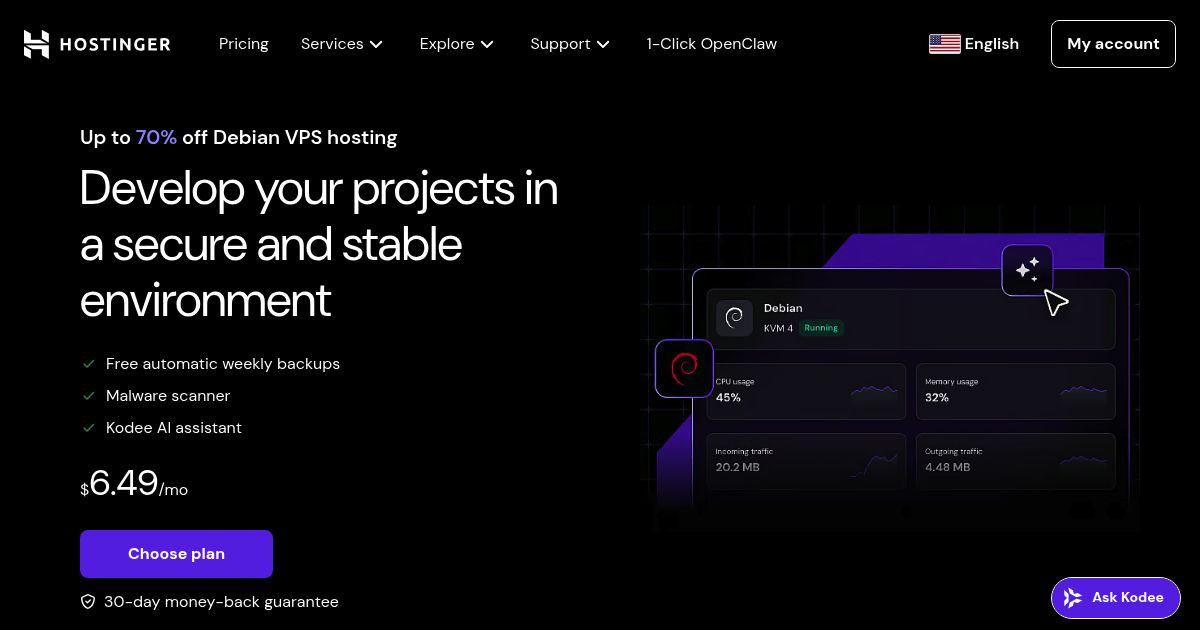
Hostinger provides VPS hosting that supports Debian deployments through prebuilt templates and a simplified control panel. It targets users who want a low-cost entry into VPS hosting without dealing with complex setup processes.
Hostinger includes a custom control panel and an AI-powered assistant, which helps users handle basic server tasks such as configuration and troubleshooting. This reduces the learning curve for beginners, although it does not replace full managed support.
The platform offers solid baseline performance for its price. Users can scale CPU, RAM, and storage as needed, making it suitable for small projects, test environments, and lightweight production workloads.
Our Take on Hostinger VPS for Debian Hosting
Based on our market study and experience, Hostinger is one of the most accessible Debian hosting options for beginners and budget-conscious users. It simplifies VPS management and lowers the barrier to entry, making it a practical starting point.
The main trade-offs are limited management support and higher renewal pricing. Users who need hands-on assistance or advanced configurations may outgrow the platform as their projects scale.
Hostinger VPS Pros
- Offers low-cost unmanaged VPS plans with Debian support
- Includes AI-powered assistant (Kodee) for basic server tasks
- Provides simple control panel for easier management
- Scales resources for small to mid-sized workloads
Hostinger VPS Cons
- Limited managed support
- Renewal pricing increases after initial term
Atlantic.Net
Website: https://www.atlantic.net/
Atlantic.Net provides cloud and dedicated hosting that supports Debian deployments with a focus on compliance, security, and scalability. It is designed for advanced users running regulated or business-critical workloads.
Atlantic.Net supports Debian across its infrastructure and includes features aligned with compliance requirements such as HIPAA-ready environments. It also offers strong technical support, which is important for maintaining stable production systems.
The platform scales effectively for enterprise use cases. Users can deploy Debian across cloud or dedicated servers depending on performance and compliance needs.
Our Take on Atlantic.Net for Debian Hosting
Atlantic.Net, in our opinion, is a strong choice for businesses that need secure and compliant Debian hosting. It fits well for enterprise workloads where reliability and support matter more than cost.
The main limitations are its smaller global server footprint and higher pricing. It is also less recognized outside the US compared to larger cloud providers.
Atlantic.Net Pros
- Supports Debian across cloud and dedicated environments
- Offers compliance-ready infrastructure for regulated workloads
- Provides strong technical support
- Scales for enterprise and business-critical applications
Atlantic.Net Cons
- Limited global server location choices
- Higher pricing compared to mainstream VPS providers
- Less brand recognition outside the US
Kamatera
Website: https://www.kamatera.com/
Kamatera provides cloud VPS hosting that supports Debian deployments through prebuilt templates and fully customizable server configurations. It focuses on flexibility, allowing users to build and scale servers based on exact resource requirements.
Kamatera allows users to deploy Debian instantly and configure CPU, RAM, storage, and networking independently. Its global data center network helps reduce latency and improves performance for geographically distributed applications.
The platform is designed for scalability. Users can adjust resources on demand without long-term commitments, which makes it suitable for growing applications and dynamic workloads.
Our Take on Kamatera for Debian Hosting
From our perspective, Kamatera is one of the most flexible Debian hosting providers available. It gives users full control over infrastructure, which makes it a strong fit for developers, SaaS operators, and teams running scalable applications.
We find it particularly useful for projects that need precise resource allocation or multi-region deployment. The trade-off is complexity. Kamatera requires technical knowledge to set up and manage properly, and it is less beginner-friendly compared to managed platforms.
Kamatera Pros
- Provides instant Debian deployment templates
- Offers wide global server location coverage
- Allows granular scaling of CPU, RAM, and storage
- Flexible pay-as-you-go pricing model
Kamatera Cons
- Requires technical expertise to configure and manage
- No built-in managed support layer
- Setup process can be complex for beginners
Digital Ocean
Website: https://digitalocean.com/
DigitalOcean provides cloud hosting that supports Debian deployments through its droplet system and developer-focused platform. It is widely used for building and scaling applications in production environments.
DigitalOcean offers prebuilt Debian images and allows users to deploy servers quickly. Its infrastructure supports flexible scaling, making it suitable for web applications, APIs, and backend services.
The platform also provides extensive documentation and tooling, which helps developers manage and optimize Debian-based environments more efficiently..
Our Take on DigitalOcean for Debian Hosting
DigitalOcean remains one of the most reliable platforms for running Debian in production. HostScore (this website you are reading) itself runs on Cloudways backed by DigitalOcean infrastructure, and we have seen consistent stability and uptime in real-world usage.
The platform is especially suitable for developers and teams who want full control and a scalable environment. The main drawbacks are support limitations and a steeper learning curve, particularly for users who are not familiar with cloud infrastructure.
DigitalOcean Pros
- Supports Debian through prebuilt droplet images
- Provides scalable cloud infrastructure for applications
- Offers strong documentation and developer ecosystem
- Delivers stable performance in production environments
DigitalOcean Cons
- Limited customer support
- Dashboard and control experience can be confusing
- Requires technical knowledge to manage effectively
Setting up hosting can be confusing. That’s why we created HostScore Setup Help, a done-for-you service for getting your hosting configured the right way.
We help with SSL installation, DNS & nameserver setup, WordPress install or migration, and security tuning. One-time fee. Backed by a 100% refund guarantee.
Explore Our ServicesComparison Among the Best Debian Hosting Services
| Provider | Hosting Type | Debian Support | Management Level | Key Strength | Best For |
|---|---|---|---|---|---|
| ScalaHosting | VPS / Cloud | Supported | Managed | Managed VPS platform, built-in security and automation, highly scalable | SMBs, agencies |
| Hostinger VPS | VPS | Template | Unmanaged / AI-assisted | Low-cost VPS platform, simplified management, AI-assisted tools | Budget users |
| Atlantic.Net | VPS / Dedicated | Supported | Semi-managed | Enterprise-grade, compliance-ready infrastructure | Enterprise workloads |
| Kamatera | Cloud | Template | Unmanaged | Highly flexible cloud infrastructure, flexible pricing model | Advanced users |
| DigitalOcean | Cloud | Template | Unmanaged | Developer-focused platform, flexible deployments | Developers |
Each provider supports Debian differently. Managed platforms like ScalaHosting focus on ease of use and stability, while cloud providers such as Kamatera and DigitalOcean prioritize flexibility and scalability. Your choice depends on how much control you need and how much server management you are willing to handle.
How to Choose the Right Debian Hosting: 6 Key Features to Consider
Debian hosting is typically used for projects that prioritize stability, long-term support, and predictable performance. These include SaaS applications, backend systems, business websites, and databases that run continuously without frequent changes.
These types of workloads share a few common characteristics. They often require consistent resource allocation, minimal downtime, and environments that do not break after system updates. Unlike experimental setups, Debian projects are usually deployed with the expectation of running reliably over long periods.
To support these requirements, a hosting environment must provide stable CPU and memory allocation, reliable storage, controlled update cycles, and access to root-level configuration. These needs directly affect how you should choose a hosting provider. For example, managed platforms reduce operational overhead but limit control, while cloud VPS providers offer flexibility but require technical expertise to manage properly.
The factors below highlight what to look for when selecting a Debian hosting provider, based on how these environments are typically used in production.
- Debian Compatibility and Deployment Options Debian hosting depends on how easily you can deploy and maintain the OS. VPS and cloud providers typically offer prebuilt Debian templates, while some platforms allow custom installations for greater control.
- Resource Allocation and Performance VPS and cloud hosting allocate CPU, RAM, and storage to your instance, which directly affects application performance. Debian works best in environments where resources remain consistent over time, especially for production workloads.
- Control and Root Access Root access allows users to configure Debian environments fully. Unmanaged providers like Kamatera and DigitalOcean provide full control, while managed platforms such as ScalaHosting limit certain configurations in exchange for convenience.
- Scalability and Infrastructure Cloud hosting platforms scale resources on demand, making them suitable for growing applications. Kamatera and DigitalOcean allow granular scaling, while managed VPS providers handle upgrades with less user intervention.
- Support and Management Level Support varies significantly across providers. Managed hosts provide hands-on assistance, while unmanaged platforms expect users to handle setup, updates, and troubleshooting independently.
- Pricing and Renewal Costs Initial pricing can differ from renewal rates. Budget providers such as Hostinger offer low entry costs, while managed and enterprise platforms charge higher long-term fees for added features and support.
Which Debian Hosting is Best for Different Users?
Which is the Best Debian Hosting for Beginners?
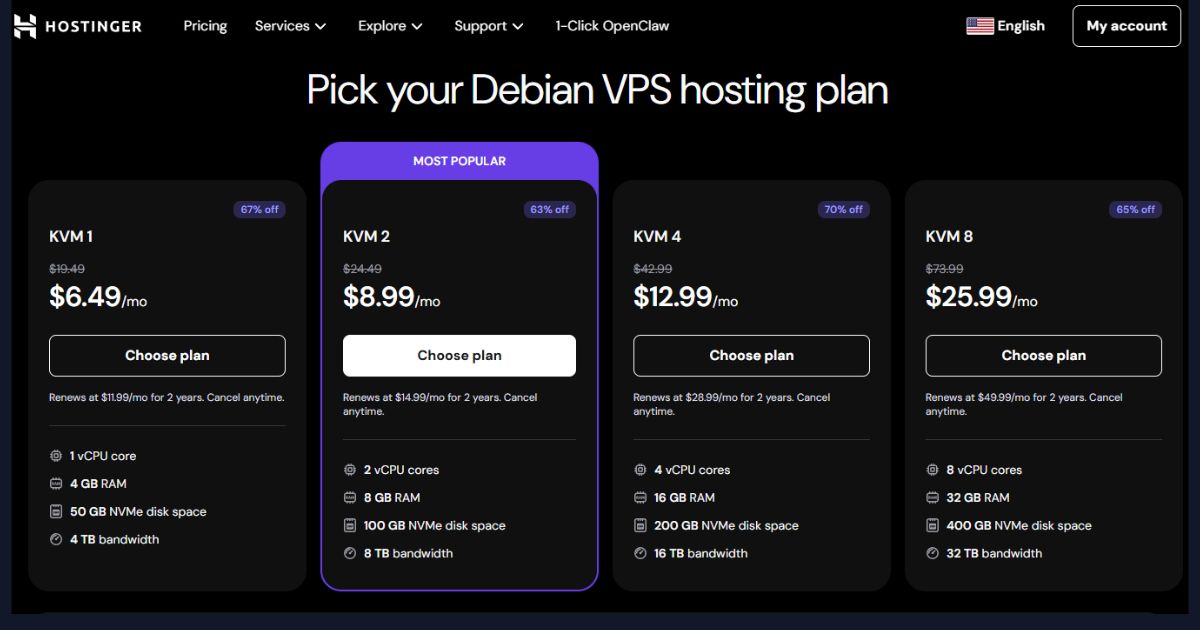
Hostinger VPS and ScalaHosting are the best Debian hosting options for beginners. Hostinger lowers the entry barrier with affordable pricing, a simplified interface, and its AI-powered assistant, which can help users handle basic server tasks more easily. It is a practical starting point for users who want to learn Debian VPS hosting without facing an overly technical setup from day one.
ScalaHosting is also beginner-friendly, but from a different angle. Instead of simplifying the experience through low pricing, it reduces complexity through managed services, sPanel, and built-in security. For users who are new to Debian but want more support and stability from the start, ScalaHosting is the safer long-term choice.
Which is the Best Debian Hosting for Developers?
DigitalOcean and Kamatera, in our opinion, are the two strongest Debian hosting choices for developers.
Both platforms provide root access, flexible server control, and the ability to deploy Debian quickly. They are well suited for developers building APIs, backend systems, test environments, and custom application stacks.
Between the two, DigitalOcean stands out for its strong documentation and familiar developer ecosystem. Kamatera, on the other hand, gives users more granular infrastructure control and broader deployment flexibility. The right choice depends on whether you value developer workflow simplicity or infrastructure customization more.
Which is the Best Debian Hosting for Small Businesses?
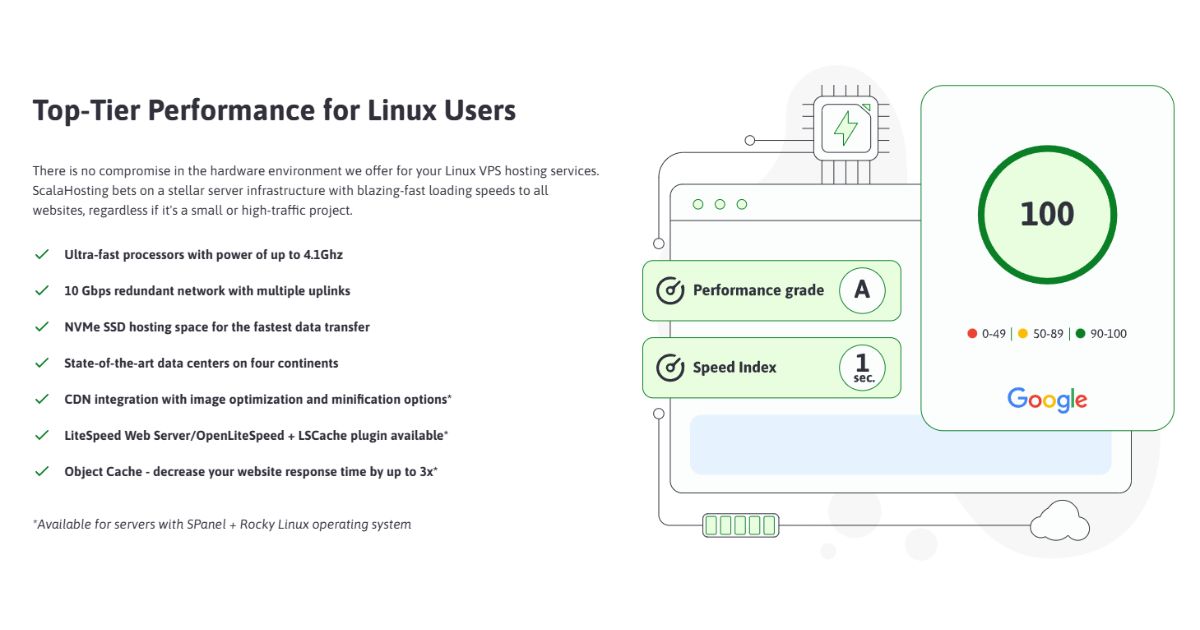
ScalaHosting is the best Debian hosting option for small businesses. It combines Debian’s long-term stability with managed VPS support, which helps reduce the operational burden for teams that do not want to manage servers manually. Features like sPanel and SShield also add convenience and security without requiring separate tools. Small businesses usually benefit more from ease of management and support than from raw infrastructure flexibility, which is why ScalaHosting stands out to us.
Which is the Best Debian Hosting for Enterprise Workloads?
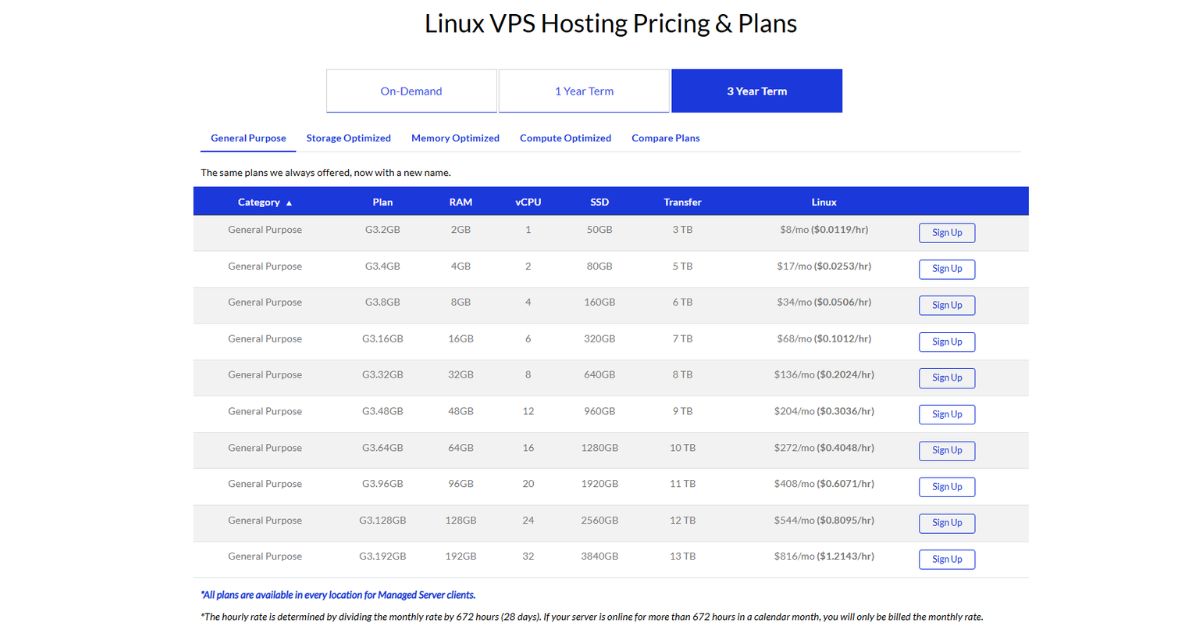
Atlantic.Net is the best Debian hosting option for enterprise workloads. Its platform is designed around secure, scalable, and compliance-ready infrastructure, which makes it a strong fit for regulated industries and business-critical deployments. Debian’s stability pairs well with Atlantic.Net’s focus on long-term operational reliability.
From our perspective, Atlantic.Net is most attractive when support quality, infrastructure compliance, and production readiness matter more than brand popularity or low pricing. It is not the most globally distributed option in this list, but it makes sense for organizations that want a more serious hosting environment for sensitive workloads.
Which is the Best Debian Hosting for Budget Users?
Hostinger VPS, without doubt, is the strongest Debian hosting option for budget-conscious users. It gives users access to Debian-compatible VPS environments at a much lower starting price than most managed or enterprise-focused providers. That makes it attractive for small projects, side applications, and users who want VPS hosting without a large upfront commitment.
The trade-off is that Hostinger does not provide the same level of support or management as ScalaHosting. Renewal pricing is also something users should factor in early. Even so, for buyers who care most about affordability at the start, Hostinger remains the most practical pick in this group.
Which is the Best Debian Hosting for Scalable Applications?
Based on our market research and experience, Kamatera and ScalaHosting are the best Debian hosting options for scalable applications. Kamatera stands out because of its flexible cloud model, wide server location coverage, and granular resource allocation. It is well suited for applications that may need to scale across regions or adjust resources frequently as demand changes.
ScalaHosting deserves a place here as well, especially because of its higher-end cloud options and AWS-backed infrastructure for users who need more scalable managed environments. From our perspective, Kamatera is the better fit for technically capable teams that want full flexibility, while ScalaHosting is more suitable for businesses that want growth potential without taking on full server management overhead.
Which is the Best Debian Hosting for Long-Term Stability?
ScalaHosting and Atlantic.Net are the strongest choices for long-term Debian stability. ScalaHosting provides a managed environment that reduces day-to-day administration while maintaining consistent VPS performance. Atlantic.Net supports long-term deployments with secure infrastructure, strong support, and a more enterprise-focused setup.
Beyond their feature sets, we have tested both providers extensively over the past two years and tracked their performance in real-world scenarios (more details in our Atlantic.Net and ScalaHosting review). From our experience, both platforms deliver the level of uptime and consistency that Debian users typically expect for production workloads.
These providers align well with why Debian is commonly chosen in the first place: predictability, reliability, and minimal disruption over time. From our perspective, ScalaHosting is the better fit for general business use, while Atlantic.Net makes more sense for heavier or compliance-sensitive workloads.
What is Debian Hosting?
Debian hosting refers to hosting environments that run the Debian Linux operating system. Hosting providers support Debian by offering preconfigured templates or allowing manual installation on VPS, cloud, or dedicated servers.
Debian is known for its stability and long-term support, which makes it a preferred choice for production environments. It uses the APT package manager and follows a conservative release cycle, meaning updates are thoroughly tested before deployment. This reduces the risk of unexpected issues after system upgrades.
In practice, Debian hosting is commonly used for applications that need to run reliably over long periods. These include backend systems, SaaS platforms, databases, and business websites where uptime and consistency matter more than access to the latest software features.
What Can Debian Hosting Be Used For?
Debian hosting supports a wide range of use cases, especially those that prioritize stability and predictable performance. Developers and businesses often use Debian for hosting web applications, APIs, and database systems that require consistent uptime.
It is also suitable for long-running services such as internal business tools, automation systems, and SaaS platforms. Because Debian minimizes unexpected changes, it helps reduce maintenance overhead and avoids disruptions in production environments.
How Does Debian Compare to Other Linux Distributions?
Debian differs from other Linux distributions mainly in its approach to updates and stability. It prioritizes reliability over speed of innovation, which makes it more predictable for long-term deployments.
Compared to Ubuntu, Debian is more conservative with updates but often requires more manual configuration. Compared to Fedora, Debian is far more stable but does not include the latest software packages. These differences affect how each distribution is used in hosting environments.
Debian Hosting Pros and Cons
Pros
- Stable and predictable release cycle
- Strong community support and documentation
- Suitable for long-term production workloads
- Lower risk of breaking changes after updates
Cons
- Slower access to newer software versions
- Requires technical knowledge to manage effectively
- Less beginner-friendly compared to managed platforms
Final Thoughts on Choosing the Right Debian Hosting
Choosing the right Debian hosting comes down to how much control, support, and scalability you need. Debian itself prioritizes stability, so the ideal hosting provider should complement that with consistent performance and reliable infrastructure.
From our perspective, ScalaHosting is the best overall choice for most users due to its managed environment and long-term reliability. Hostinger VPS works well for budget-conscious users who want a simple entry point, while Kamatera and DigitalOcean are better suited for developers and teams that need full control and scalability. For enterprise or compliance-driven workloads, Atlantic.Net stands out with its secure and support-focused infrastructure.
Each provider serves a different type of user, but all five support Debian effectively. The key is to match your technical needs and growth plans with the right hosting model from the start.